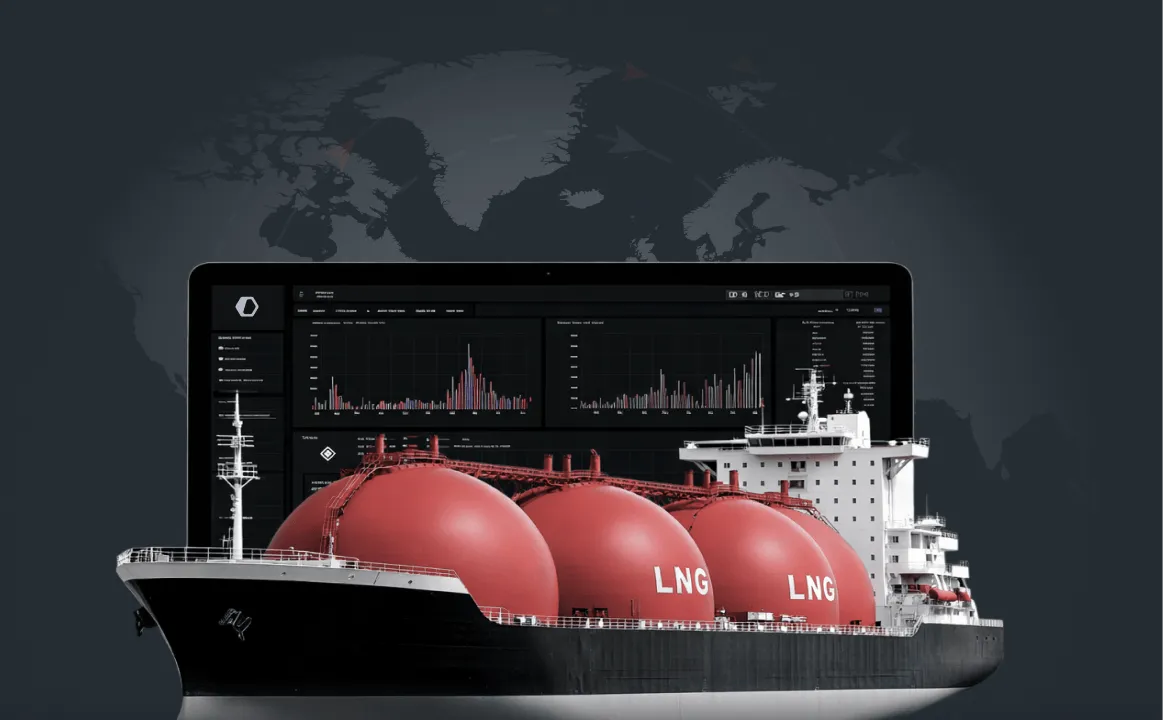
Terminal-level visibility and predictive intelligence that helps manufacturers and industrial companies reduce uncertainty and optimise global supply chains.


.webp)


8,700+
1,200+
6+
770+
Supply chain managers

.webp)
From reactive to proactive
Terminal-level visibility: Full visibility inside the terminal, not just at the port.
Just-in-time precision: Ensure JIT manufacturing by using terminal-level predictive ETAs to precisely align labor, equipment, and production schedules before the vessel arrives.
Centralised coordination: Use one predictive workspace (Web & API) to synchronise decisions across logistics, production, and sales, ensuring everyone acts on a single source of truth.
Assess port disruption & recovery
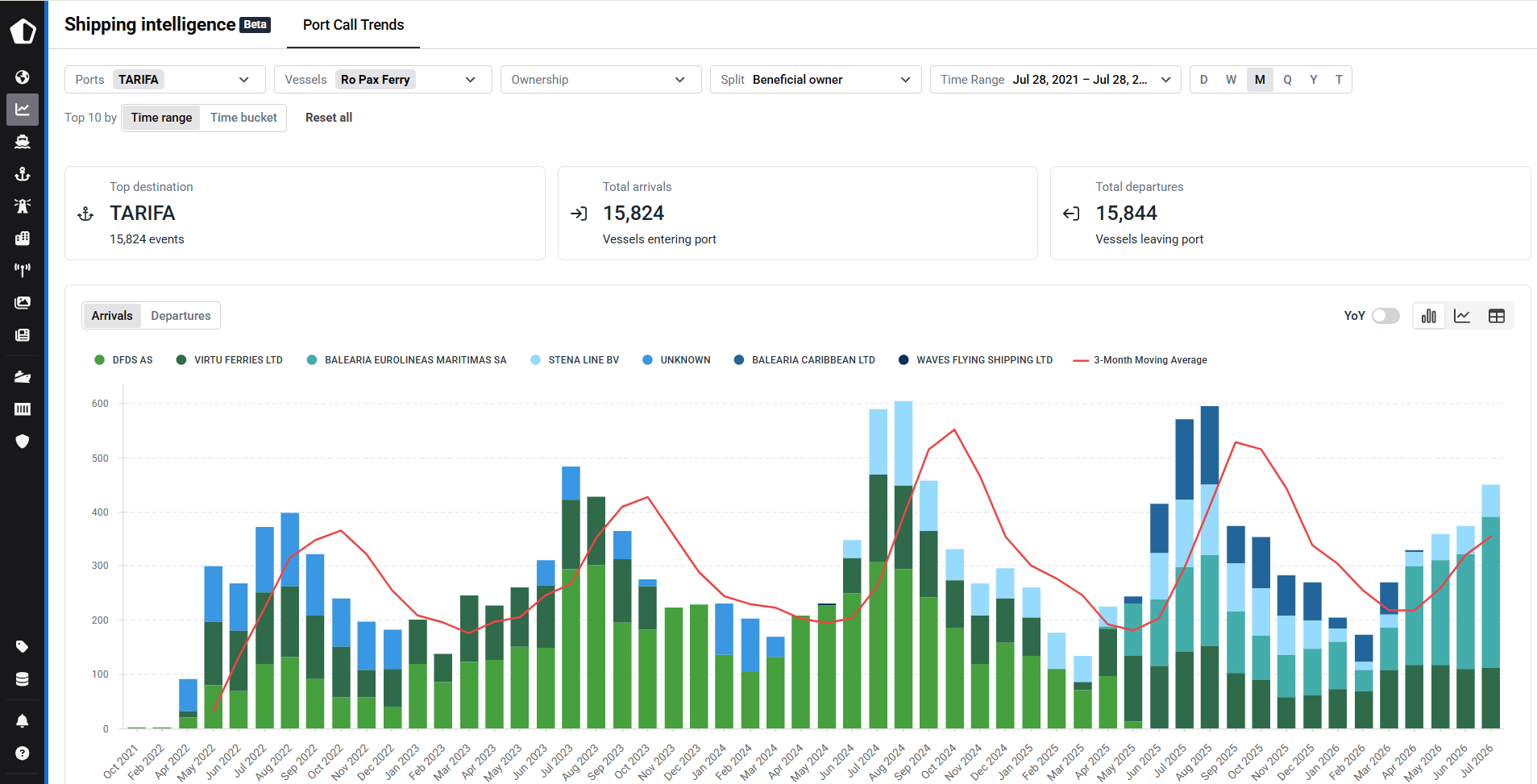
Historical vessel activity helps supply chain teams understand how critical ports have responded to previous disruptions and how quickly maritime connectivity subsequently recovered. By comparing arrivals and departures before, during and after an event, teams can quantify its impact on relevant vessel traffic and distinguish a short interruption from a more sustained change in port activity.
Comparing disruption patterns across important sourcing and distribution gateways provides additional context when assessing supply-chain exposure and alternative routes. Teams can examine which vessel segments were most affected, monitor the pace at which activity returned towards its previous range and use historical evidence alongside their existing supply-chain intelligence when evaluating the resilience of strategically important maritime gateways.

Compare strategic maritime gateways
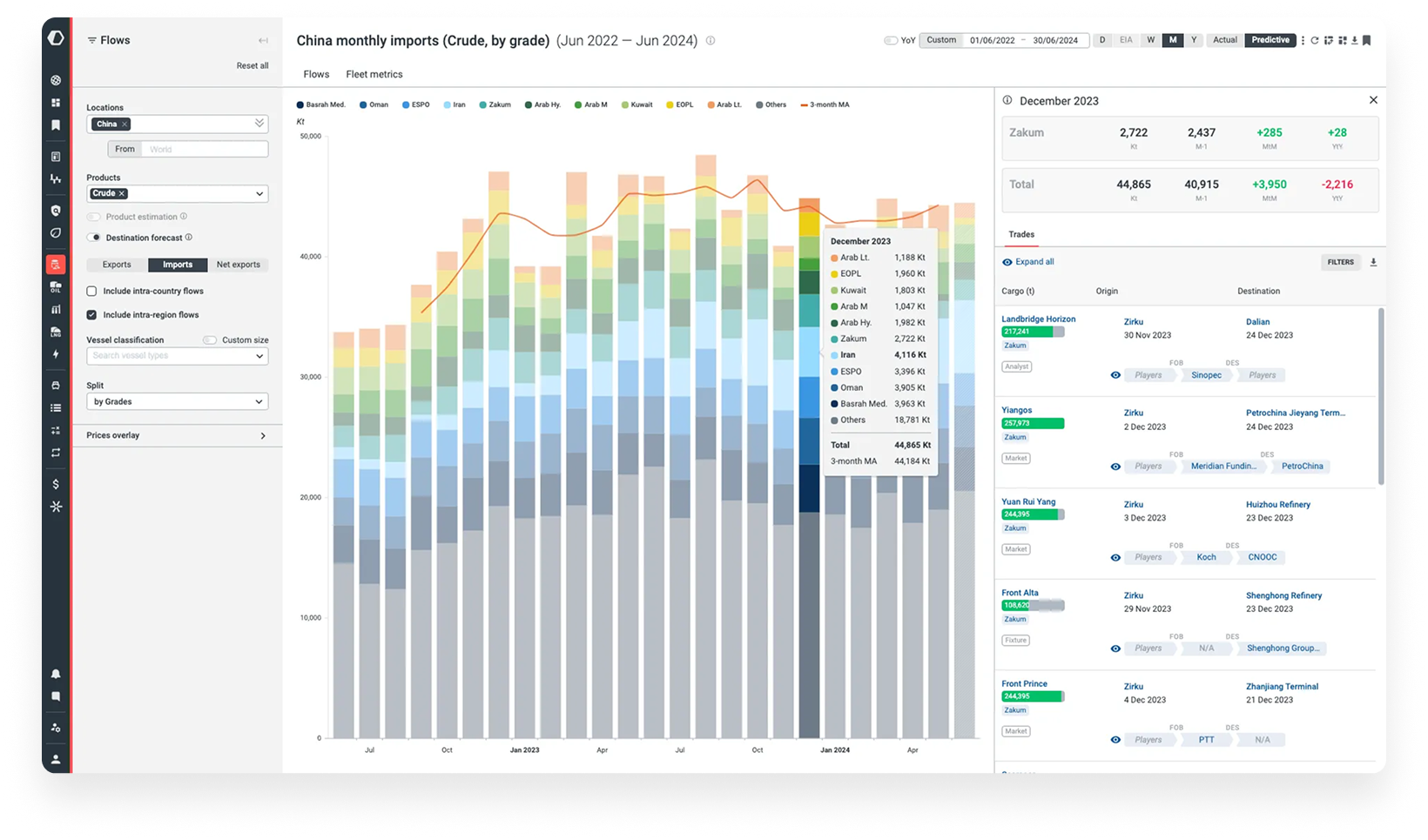
Manufacturers dependent on international shipping often have several ports capable of supporting important sourcing or distribution regions. Historical port activity provides an additional way to compare those gateways by showing how vessel traffic has developed over time rather than relying on a single current snapshot.
Supply chain teams can compare activity by vessel type, size and capacity to understand the scale and composition of maritime connectivity at each location. Long-term trends can show whether a gateway is growing, contracting or experiencing greater variability, adding independent maritime context when evaluating sourcing networks, logistics strategies and alternative routes.
Procurement managers
.webp)
Strategic inventory & cost control
Right-size inventory: Use accurate 6+ week arrival windows to adjust safety stock and reorder timing, freeing working capital without raising production risk.
Strengthen negotiations: Use global, independent terminal performance data and verified timestamps to challenge carrier delays and strengthen your position in rate negotiations.
Automated intelligence: Eliminate manual follow-ups by integrating terminal-level port calls and predictive data directly into your ERP or TMS through a plug-and-play API.
Risk managers
.webp)
Mitigate global volatility
Identify bottlenecks early: Spot regional congestion and terminal-specific buildup before it cascades into your local supply chain.
Missed connection alerts: For complex rotations, use predictive schedules to instantly see if a container has enough time to make its transshipment connection at major hubs.
Proven compliance: Use objective, independent intelligence to audit terminal and carrier performance against SLAs, protecting your business from the financial impact of unverified delays.

.webp)
FAQ
Kpler provides terminal-level visibility with predictive ETAs that account for vessel performance, port congestion, and terminal capacity—enabling you to know not just when a ship arrives at port, but precisely when cargo will be available at the terminal. This visibility lets you align labor schedules, equipment availability, and production scheduling with actual cargo arrival, eliminating the waste of idle capacity or production delays caused by late arrivals. By coordinating logistics, production, and sales through a single predictive workspace, your entire organization acts on one source of truth—transforming supply chain management from reactive firefighting to proactive precision planning.
Kpler's accurate 6+ week arrival forecasts enable you to right-size safety stock and adjust reorder timing with confidence, freeing working capital without increasing production risk. Rather than holding excess inventory to buffer against uncertain arrivals, you can reduce safety stock based on predictable arrival windows and adjust procurement timing accordingly. For manufacturers operating on thin margins, this working capital optimization can be significant. The visibility also strengthens your negotiating position with carriers—you have independent, objective data on terminal performance and actual delays, letting you challenge unsubstantiated delay claims and negotiate better rates based on verified performance.
Kpler's regional congestion monitoring and terminal-specific buildup tracking alert you to bottlenecks before they impact your inbound supply. For complex rotations involving multiple transshipments, you get instant visibility into whether containers have enough time to make critical connections at major hubs—preventing the nightmare scenario of cargo missing connections and causing multi-week delays. This early warning capability is essential in global supply chains where a single missed connection or regional bottleneck can cascade into production shutdowns. By catching these risks early, you can adjust plans, find alternate routes, or coordinate with logistics partners before disruption occurs.
Kpler provides verified, independent data on terminal performance, carrier adherence, and actual delays—objective metrics you can use to audit SLA compliance without relying on carrier self-reporting. Rather than accepting carrier excuses about delays, you have factual data on port congestion, vessel performance, and terminal activity that proves whether delays were justified or represent service failures. This accountability protects your business from financial impacts of unverified delays and gives you leverage in disputes. Over time, this data drives better carrier selection and stronger negotiations, as you can quantify which carriers and terminals consistently deliver on promises versus which ones consistently underperform.
Yes. Kpler provides plug-and-play APIs that integrate terminal-level port calls and predictive arrival data directly into your ERP or TMS, eliminating manual follow-ups and keeping your planning systems updated automatically. This integration means your procurement, production, and logistics teams all see the same predictive ETAs in systems they already use daily. Changes to arrival windows automatically flow into your planning logic, adjusting production schedules, procurement timing, and logistics coordination without manual intervention. This automation reduces errors, improves coordination, and frees your team from manual data entry to focus on strategic decisions rather than routine updates.