Empowering decisions for consultants and service providers in commodity and maritime markets.


.webp)



1.2bn+
15+ year
350k+
40+
Energy consultants

.webp)
Navigate market changes
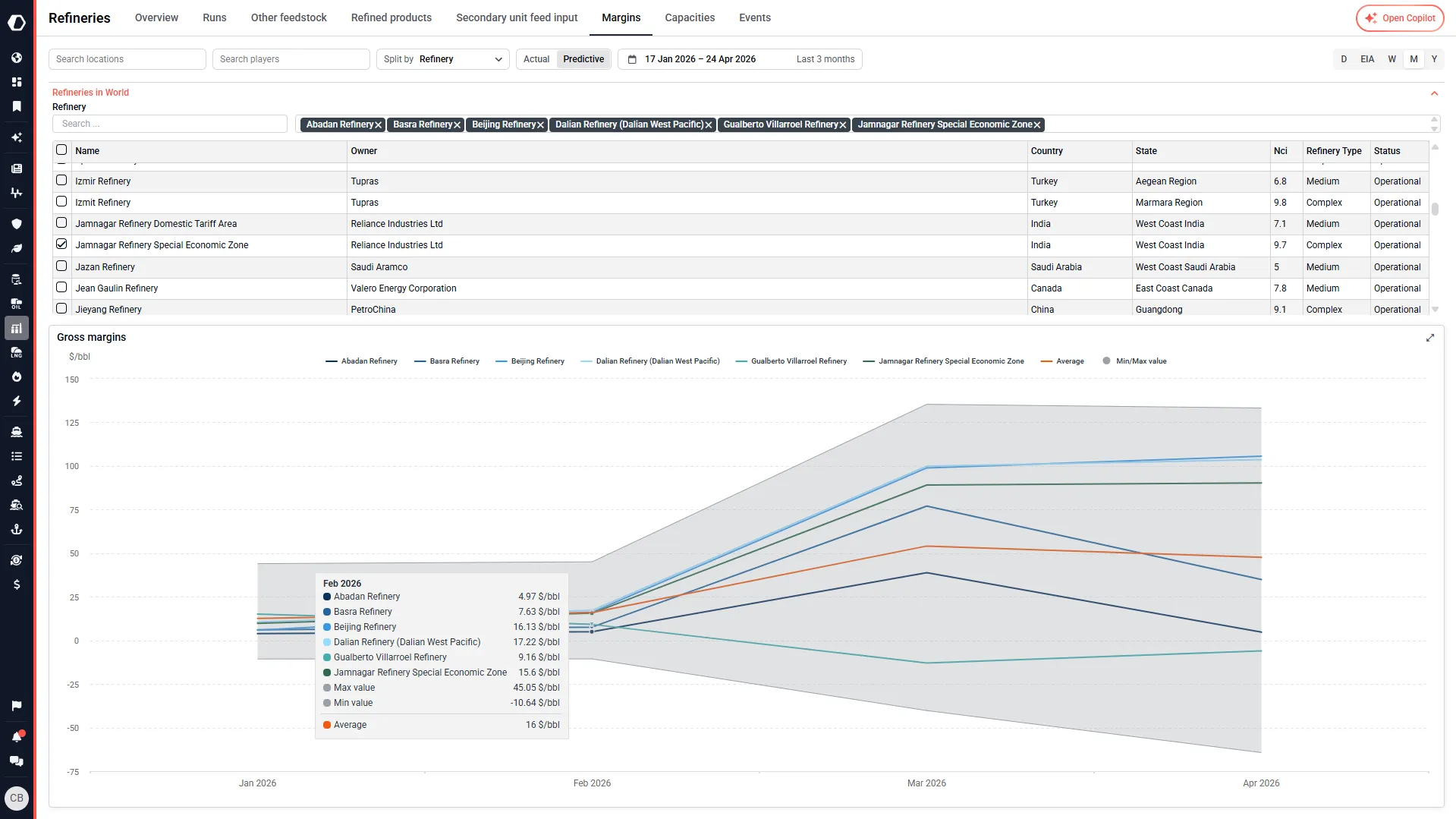
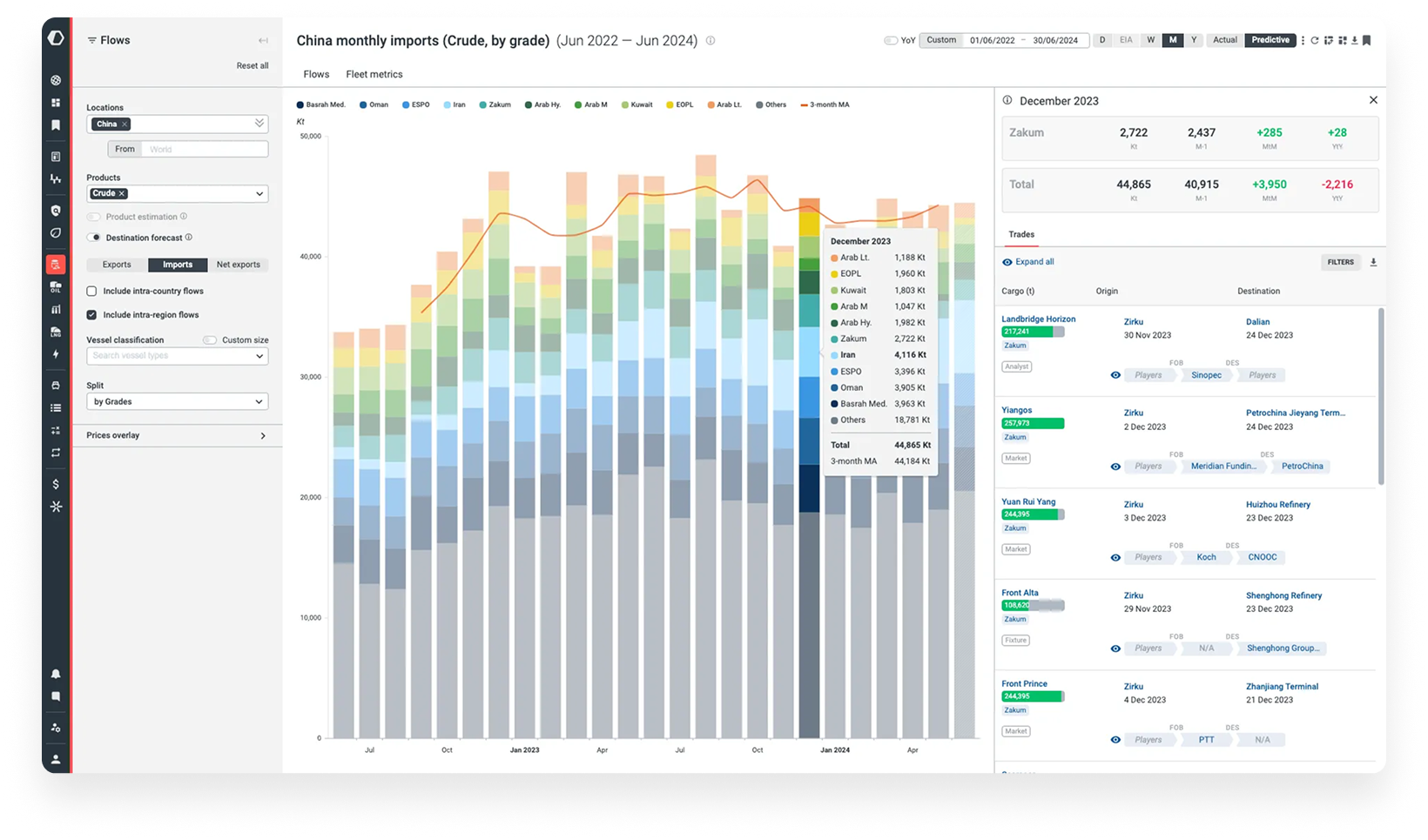
In a rapidly evolving energy landscape, consultants rely on Kpler’s LNG, crude oil, refined products, and coal market intelligence to help clients navigate supply-demand imbalances, infrastructure constraints, and price volatility.
By leveraging inventory levels, trade flows, and terminal utilisation data, energy consultants can provide strategic guidance on procurement optimization, investment opportunities, and regulatory compliance. MarineTraffic’s vessel tracking and port congestion analytics further enhance their insights, helping clients anticipate shipping disruptions and freight rate movements to improve supply chain efficiency.
Financial consultants
Competitive advantage
For financial consultants advising asset managers, hedge funds, and institutional investors, Kpler’s real-time commodity market data provides a competitive edge in market forecasting, risk assessment, and investment strategy development.
By integrating global trade flows, inventory shifts, and refinery utilisation rates, consultants can offer clients a data-backed approach to hedging strategies, portfolio diversification, and exposure management in energy and commodity markets. Additionally, MarineTraffic’s vessel movement intelligence and fleet capacity tracking help financial consultants evaluate shipping trends, freight cost impacts, and supply chain risks affecting commodity-driven assets.
Shipping consultants
Optimise negotiations
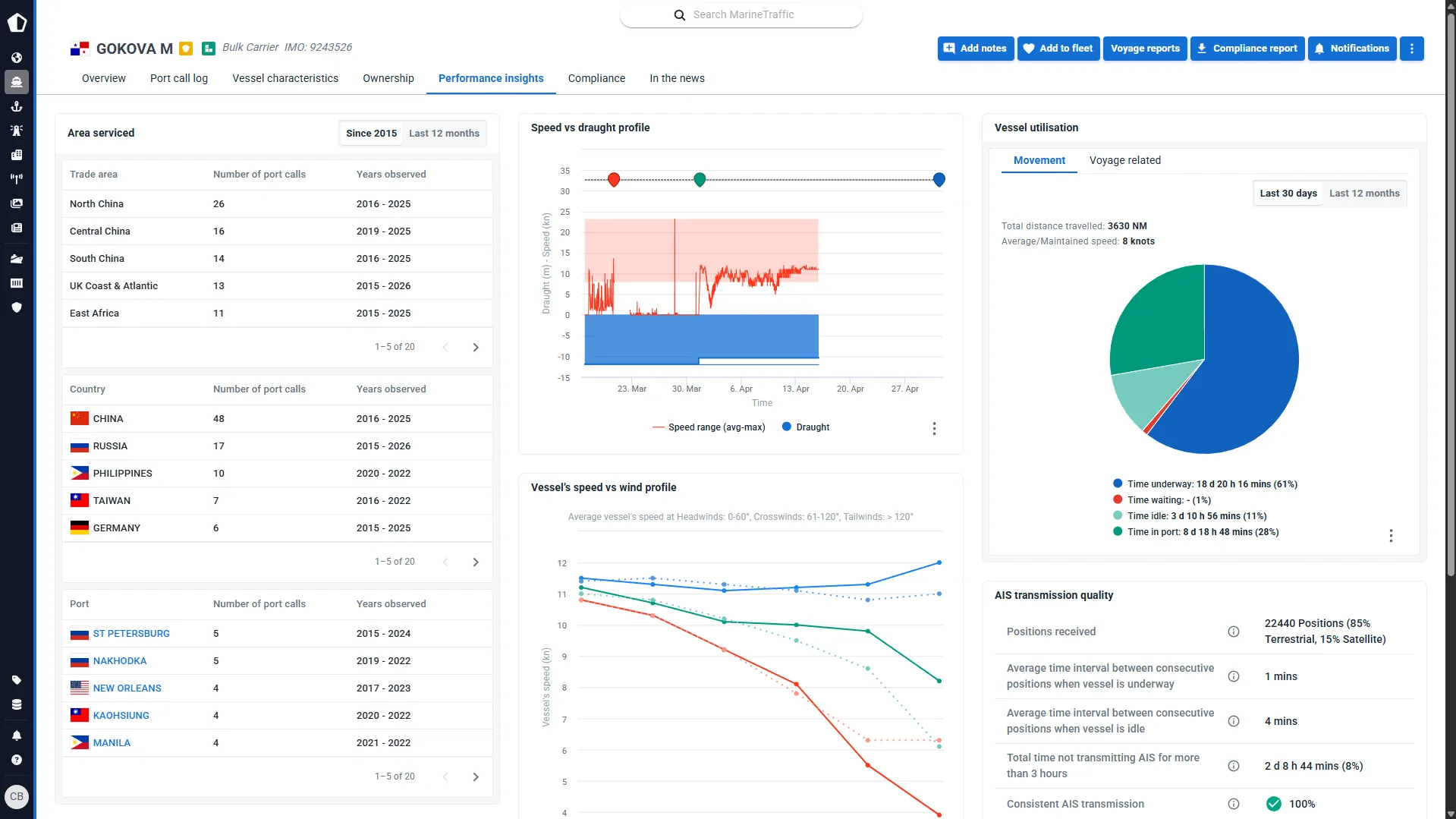
Shipping consultants leverage Kpler’s commodity trade data and MarineTraffic’s ship tracking intelligence to help clients optimise chartering, fleet management, and freight rate negotiations.
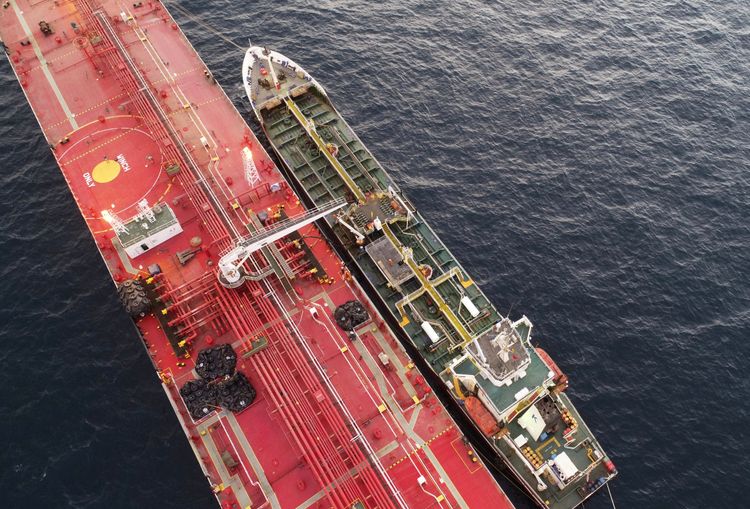
By analysing cargo flows, port congestion, and vessel availability, consultants can provide insights on the most efficient shipping routes, cost-effective freight contracts, and emerging market opportunities. Additionally, real-time monitoring of voyage deviations, STS (ship-to-ship) transfers, and bunker fuel trends enables shipping consultants to offer clients solutions for reducing operational risks and improving profitability in an increasingly complex maritime industry.
Market analysts
Benchmark maritime markets
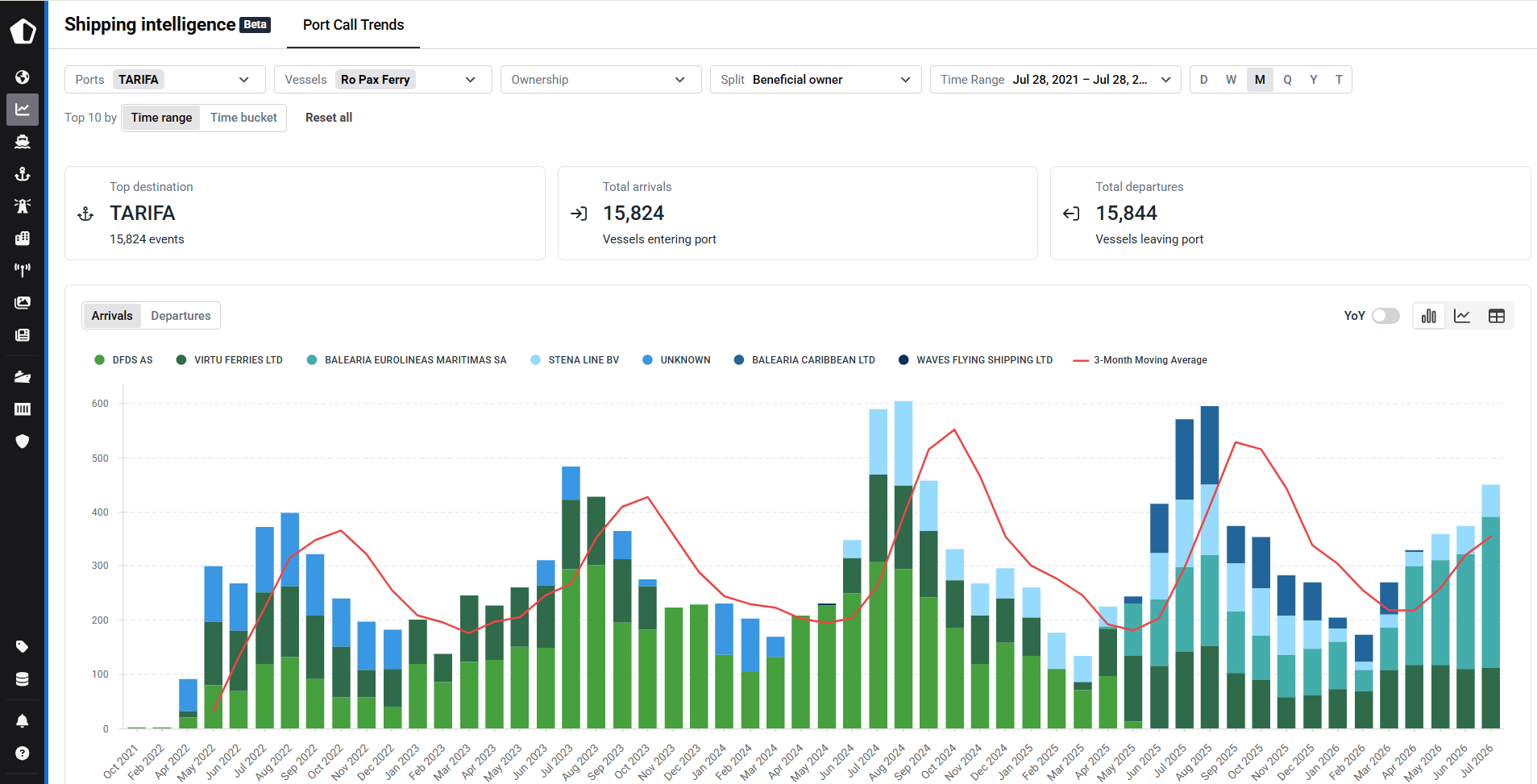
Historical port call activity gives consultants an independent dataset for comparing the scale and development of maritime markets across ports, countries and regions. Teams can analyse arrivals and departures over time to identify where activity is growing or contracting, compare competing gateways and determine which vessel segments are contributing to changes in a client's market.
Port Call Trends allows the same analysis to be refined by vessel type, size, flag, ownership, operator and other vessel characteristics. Consultants can investigate the companies and fleets behind a market trend and apply a consistent analytical workflow across different client engagements, supporting market assessments, infrastructure studies, competitive analysis and strategic recommendations.

Analyse competitive positioning
Consultants advising ports, infrastructure operators and maritime companies can use historical activity to assess how a client's position compares with relevant competitors. Trends in arrivals and departures show whether activity is moving differently across comparable ports, while vessel and company splits help explain why.
Teams can identify which vessel segments are contributing to relative growth or decline and which owners or operators are increasing their presence at each location. This provides a quantitative foundation for competitive assessments and helps consultants move from a headline market-share observation to the fleets and customer groups behind the change.

Assess the evolution of a maritime opportunity
Market-entry and investment studies often require an understanding of how a maritime opportunity has developed rather than simply how large it is today. Historical port-call trends allow consultants to examine several years of activity and determine whether growth is sustained, seasonal, concentrated in particular vessel segments or driven by a small number of companies.
The analysis can then be segmented by vessel type, capacity, ownership or management to characterise the addressable market in greater detail. This supports more evidence-based assessments of market development and helps identify the companies and fleet segments most relevant to a client's commercial strategy.

.webp)
FAQ
Kpler provides real-time commodity market data, trade flows, inventory levels, and vessel intelligence that let consultants back their strategic recommendations with actual market data rather than opinions or delayed reports. Energy consultants can show clients real supply-demand imbalances and infrastructure constraints; financial consultants can quantify hedging risks and portfolio exposure; shipping consultants can demonstrate freight rate trends and vessel availability. This data-driven approach differentiates your advice, increases client confidence, and enables you to identify opportunities and risks competitors miss because they're working with outdated information.
Kpler delivers real-time LNG flows, crude oil and refined product movements, coal supply data, inventory levels at key terminals, refinery utilisation rates, and price signals across regions. Consultants can show clients where supply-demand imbalances exist, forecast price movements based on actual flows rather than expectations, identify procurement optimization opportunities, and assess regulatory and infrastructure risks. For investment consultants, this data enables deeper due diligence on energy assets, better timing of entry/exit decisions, and more accurate risk modeling for institutional clients.
Real-time vessel tracking shows cargo flows, port congestion, vessel availability, and voyage deviations—allowing consultants to advise clients on optimal shipping routes, timing negotiations, and fleet positioning. Consultants can identify emerging freight rate trends before they're obvious in the market, model the impact of port delays on supply chains, and recommend cost-effective chartering strategies based on actual vessel supply and demand. Additionally, monitoring STS transfers and bunker trends provides clients with tactical insights on operational efficiency and risk mitigation opportunities.
Yes. Kpler provides APIs and data feeds that consultants can integrate into their own analysis platforms, client dashboards, and reporting tools. This means you can embed live market data, trade flows, and vessel intelligence directly into your advisory products—giving clients real-time visibility and improving the stickiness of your consulting engagement. Rather than sending static reports, you can provide dynamic intelligence that updates continuously, positioning your firm as a cutting-edge advisor with superior market access and analytical capability.
Consultants working with delayed or fragmented data are always behind the market—they see trends after clients have already positioned. With Kpler's real-time intelligence, consultants gain first-mover advantage, identifying opportunities and risks before competitors. You can advise clients with conviction backed by current data, model scenarios with accuracy competitors can't match, and adjust recommendations quickly as market conditions evolve. This speed and accuracy translates to better client outcomes, stronger retention, and the ability to command premium fees for superior advisory services.