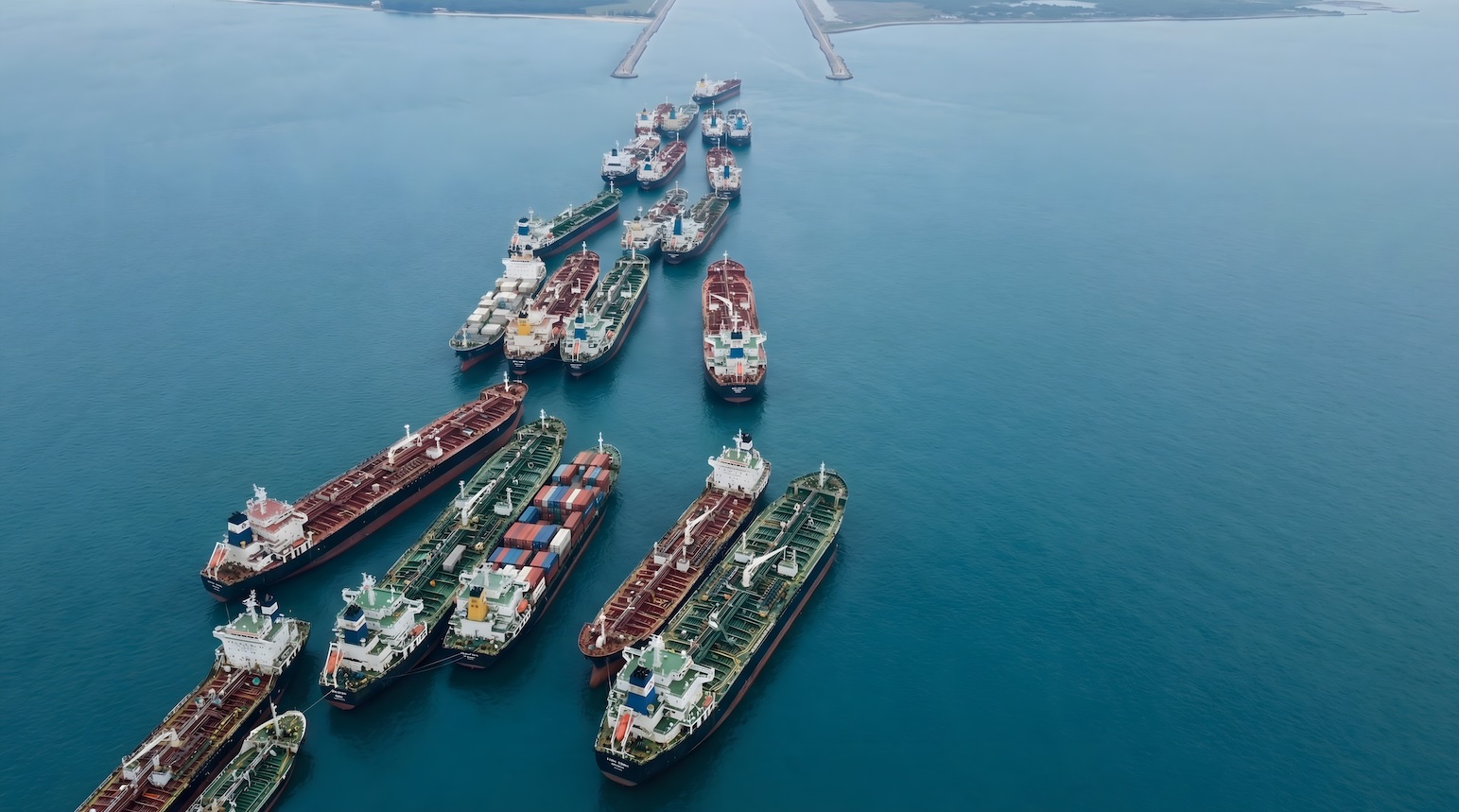
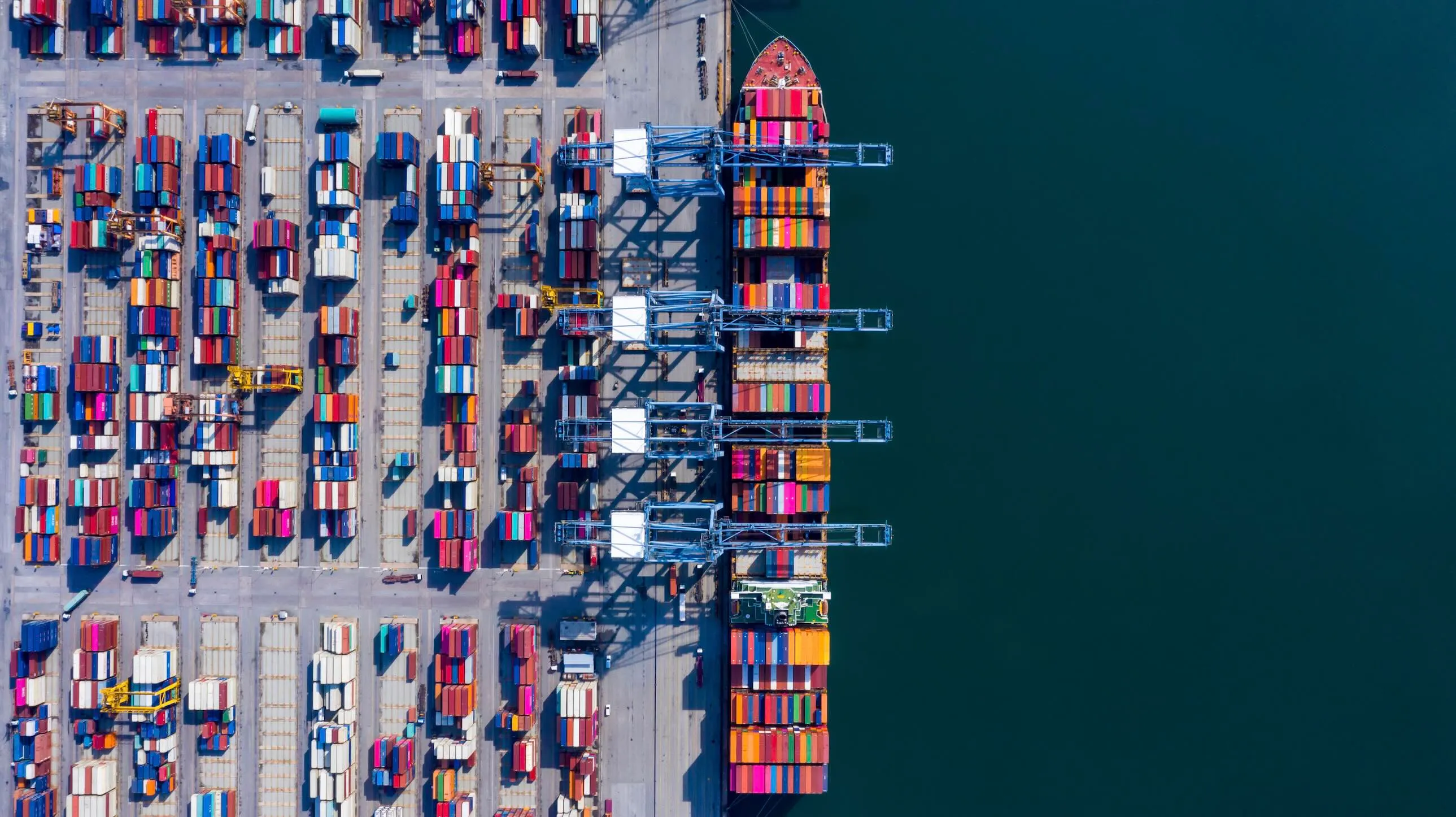
Strait of Hormuz disruption: Which container vessels are trapped, waiting, or diverting?
The Strait of Hormuz is one of the most critical chokepoints in global shipping. Roughly 20% of global oil flows and a significant share of regional container trade pass through this narrow waterway connecting the Persian Gulf to the Arabian Sea.
Following the escalation on February 28, container shipping operations across the Gulf entered a state of uncertainty, so we analysed the movements of container ships connected to Gulf services since the incident using MarineTraffic’s Container Intelligence platform.
Current operational state of container shipping
Following the regional escalation, carriers paused new bookings, vessels slowed or stopped near the strait, and some services began diverting.
The picture that emerges is clear:
- Some vessels are effectively trapped inside the Gulf
- Others are waiting outside for instructions
- Several services have already diverted
Fleet snapshot: Vessel status by category
Our analysis tracked container vessels operating on Gulf services between February 28 and March 4. They fall into several operational categories:
These movements reveal how carriers are responding operationally and where bottlenecks are forming.
Vessels currently trapped in the Persian Gulf
The most operationally sensitive group comprises vessels inside the Gulf whose next port lies outside the region. These ships cannot continue their rotations until transit through the Strait of Hormuz becomes possible.
Examples of trapped vessels
- MSC PANAYA (MSC)—heading toward Vizhinjam, India
- W KITHIRA (Maersk)—scheduled for Colombo, Sri Lanka
- TEMA EXPRESS (Hapag-Lloyd)—bound for Mundra, India
- ONE MAJESTY (ONE)—planned to sail to Mundra, India
- CMA CGM KRIBI (CMA CGM)—next call Pointe Noire, Republic of the Congo
For cargo owners outside the region, this creates immediate uncertainty. Containers onboard cannot continue toward Asia, Africa, or Europe until the vessels exit.
%20(1).webp)
How many ships are still inside the Gulf?
Our container intelligence reveals a significant cluster of container ships remaining within the Persian Gulf. Among the top five carriers:
Many of these vessels are waiting because their next planned calls are ports within the Gulf:
- Jebel Ali
- Khalifa
- Dammam
- Hamad
- Umm Qasr
This does not mean operations inside the Gulf continue normally. While some vessels still have scheduled calls at Gulf ports, activity is significantly reduced. Many ships hold offshore rather than approaching terminals, positioning themselves outside potential strike zones as port infrastructure remains at risk.

See why the most successful traders and shipping experts use Kpler
See the impact on your operations