
From dark port calls to dead zones: July's MarineTraffic updates
Executive summary
TL;DR: In July 2026, we shipped updates across risk and compliance monitoring, historical AIS data access, and mobile email reliability. Highlights include:
- A new dark port call risk type
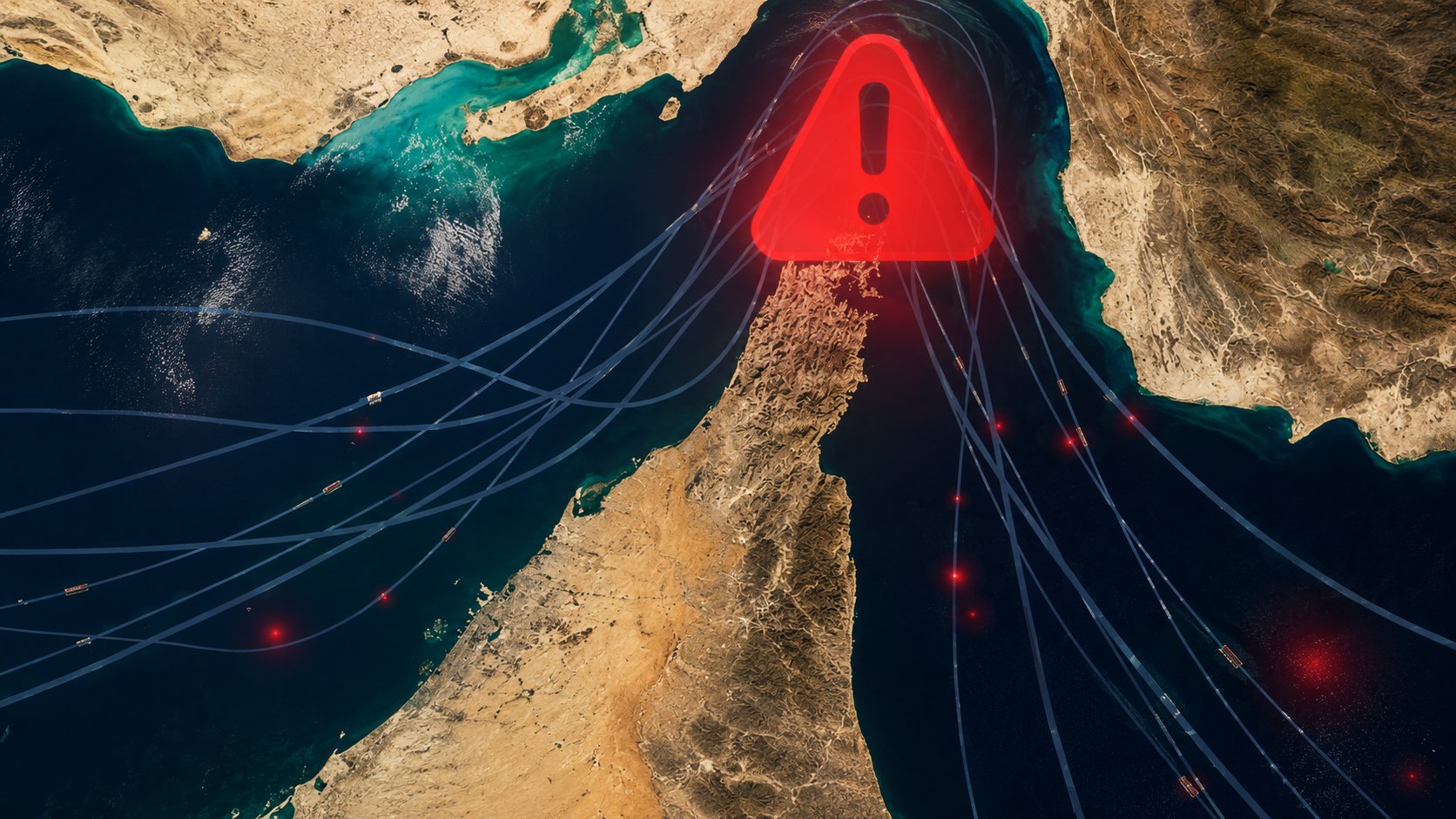
- A daily Strait of Hormuz crossing monitor
- New vessel classification columns in the Compliance workspace
- A lightweight hourly downsample option for the AIS Historical API that unlocks 18x more area coverage per query
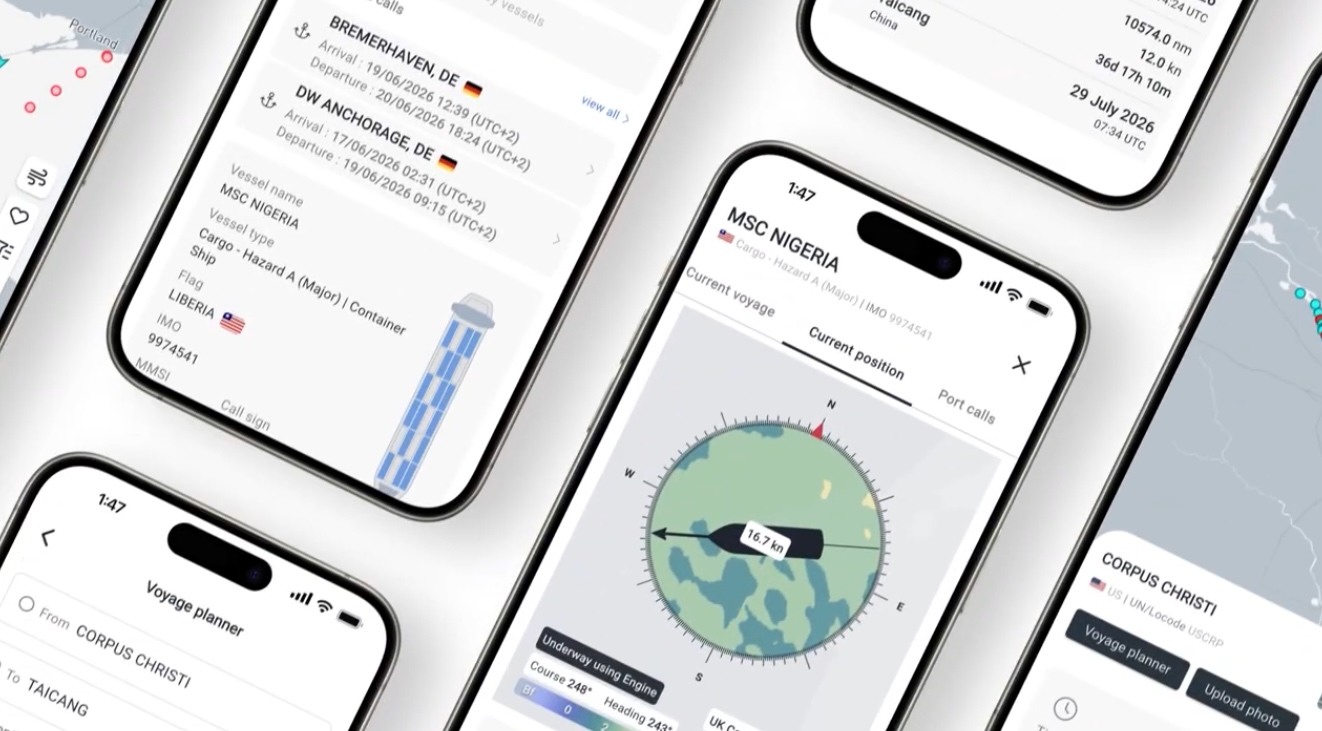
- Offline mode for the MarineTraffic Inbox mobile app
These updates help compliance teams close sanctions-exposure blind spots, help analysts and developers pull large-scale historical AIS data faster and cheaper, and help vessel operators, port agents, and brokers stay on top of their inbox with no signal at all.
In one sentence: This month's updates sharpen sanctions and risk visibility, make historical AIS data dramatically easier to query at scale, and keep MarineTraffic Inbox usable anywhere – connected or not.
What we shipped in July
We grouped this month's work around three themes:
- Risk and compliance visibility: New risk signals and classification data that help clients spot sanctions exposure faster.
- Data access at scale: A new way to pull historical AIS data that trades a small amount of positional detail for a massive jump in query size.
- Reliability on the move: Offline access for MarineTraffic Inbox so users aren't blocked by connectivity.
Each theme responds to the same underlying pressure to do more with less. Clients are tracking more vessels, more risk types, and more communication channels than ever, and they need tools that scale with them without adding manual work.
New features
Dark port calls
What it is: A new operational risk type flagging port calls made with the AIS transponder switched off.
Who it's for: Compliance and sanctions teams, risk analysts, and any client tracking vessel activity for regulatory exposure.
Why it matters: Vessels that go dark before or during a port call are a well-known sanctions evasion pattern. Until now, this activity sat in a blind spot for clients relying on AIS-based monitoring alone. Surfacing it as a distinct, trackable risk type closes that gap.
At a glance:
- New risk type: port calls with transponder off
- Already live on MarineTraffic web app and viaAPI
- No configuration needed - it's part of the existing risk feed
- See the Help Centre article for more information
Strait of Hormuz daily monitor
What it is: A downloadable spreadsheet listing every vessel crossing the Strait of Hormuz, in both directions, refreshed daily by our own analysts.
Who it's for: Compliance teams, chartering desks, and analysts tracking chokepoint activity in a high-risk region.
Why it matters: Chokepoint crossings are one of the first things compliance and trading teams check when tensions rise in the Gulf. A daily, analyst-verified list means clients get consistently fresh and accurate data without having to build their own tracking logic.
At a glance:
- Live now on the Compliance workspace
- Analyst-refreshed daily, both directions of transit
- See the Help Centre article for more information
Vessel category, type, and subtype columns
What it is: Three new columns in the Compliance workspace - vessel category, type, and subtype - sourced directly from our single source of truth (SSoT).
Who it's for: Anyone using the Compliance workspace to review vessel activity, particularly teams that care about specific fleet segments.
Why it matters: Clients can now identify the vessel types they care about at a glance, without cross-referencing other systems.
At a glance:
- Added directly to the Compliance workspace
- Sourced from SSoT for consistency across products
- See the Help Centre article for more information

See why the most successful traders and shipping experts use Kpler

Real-time maritime market intelligence